July Flower Journal
I draw flowers so it should come as no surprise that I’m always interested in finding and observing them.
I actually have a lot of fun capturing them for social media so I figured I would repurpose that content and share them here.
The goal is to share nature and provide some education. Who knows, if I keep this up year-over-year it will also serve as both an archive of my observations and a repository of flowers that are found here in Ann Arbor.
July was a great month with summer blooms hitting full stride. Enjoy the flowers and facts below!
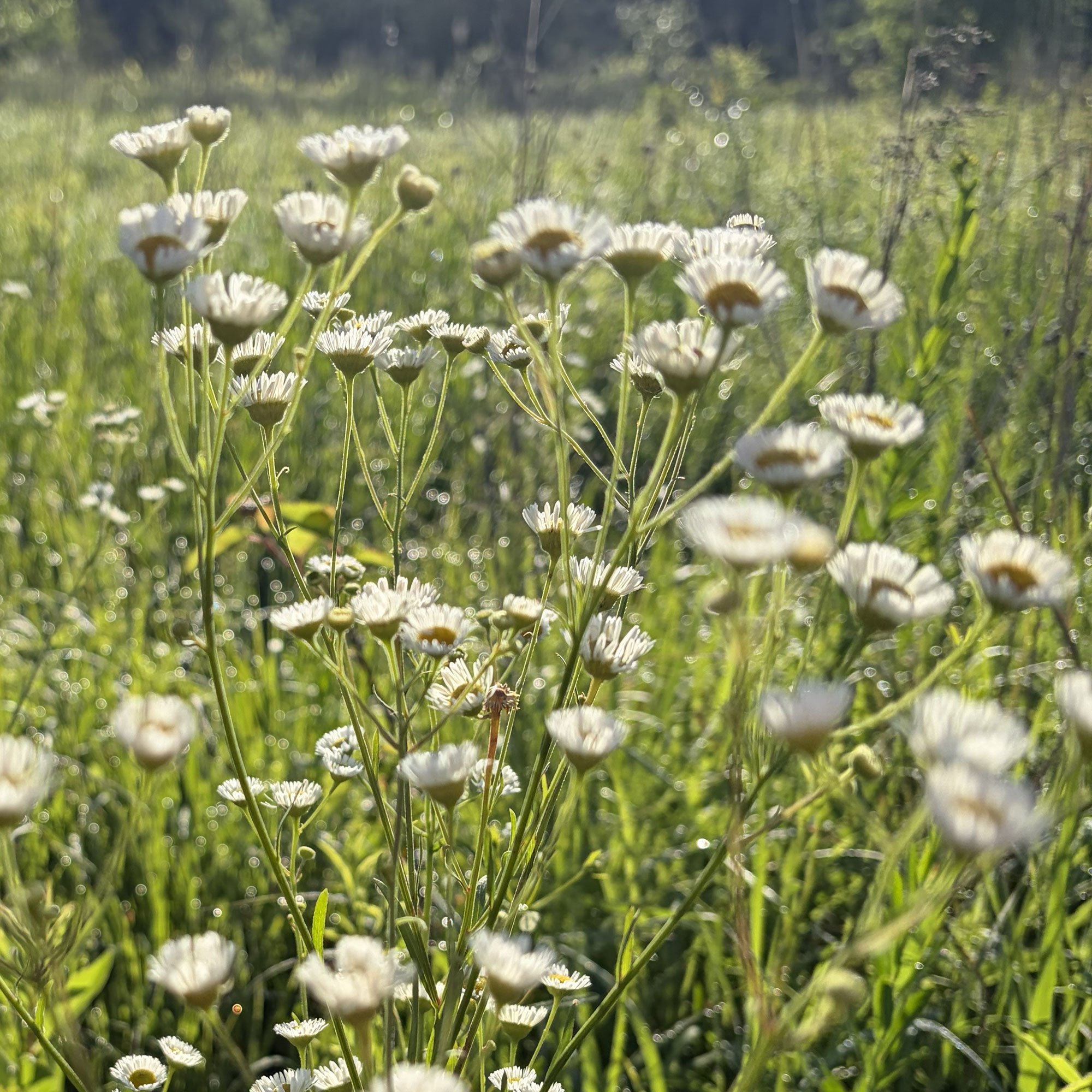
Daisy Fleabane
Daisy Fleabane
Scientific Name: Erigeron annuus
Native to Michigan, a common pioneer of roadsides and disturbed ground. The genus name comes from Greek for "old man early," a nod to how fast the fuzzy seed heads turn gray after blooming. Michigan Flora Online (Observed July 1, 2026.)
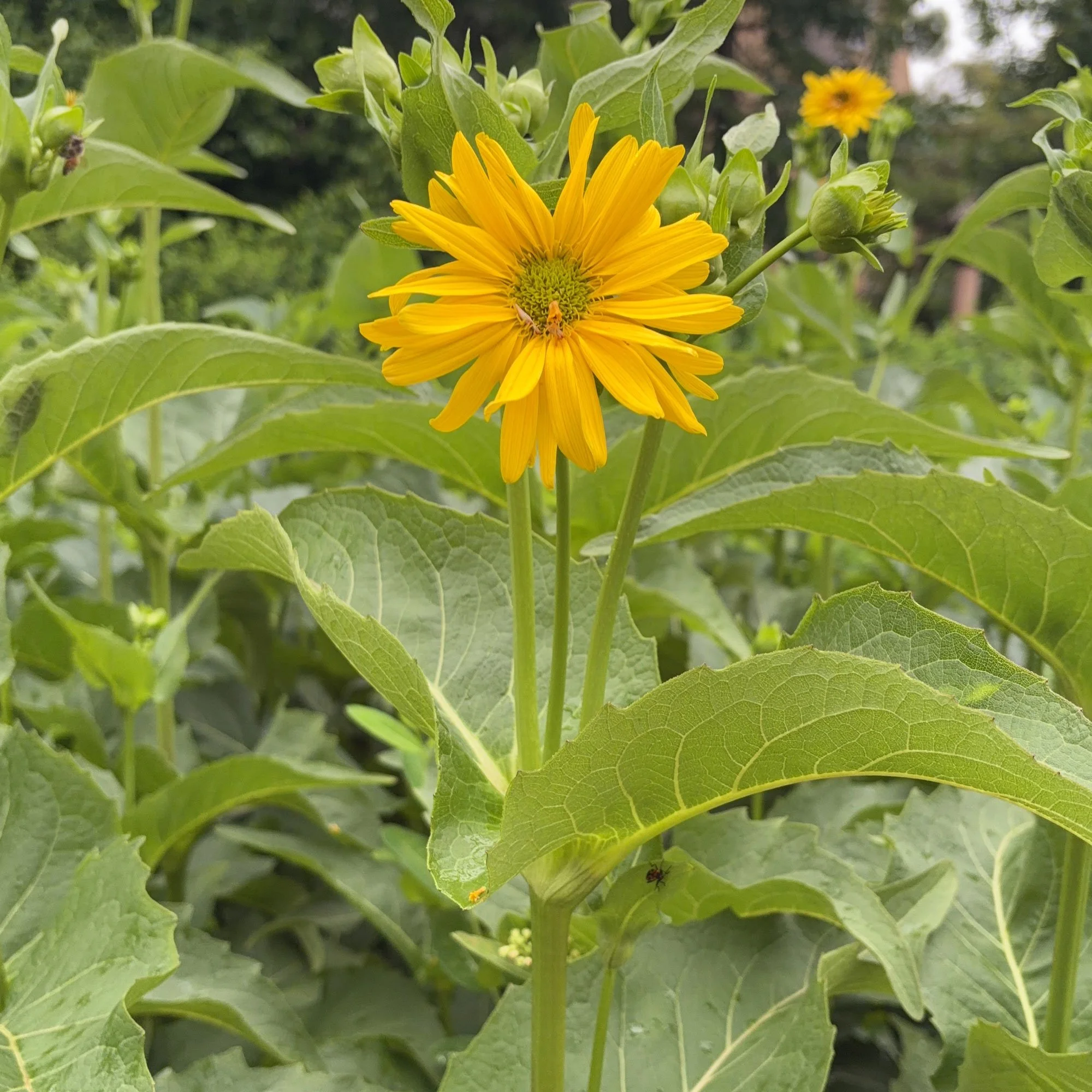
Cup Plant
Cup Plant
Scientific Name: Silphium perfoliatum
Native to southern Michigan floodplain forests and wet prairies. Its opposite leaves fuse around the stem to form a literal cup that holds rainwater for birds and insects. Michigan Flora Online (Observed July 6, 2026)
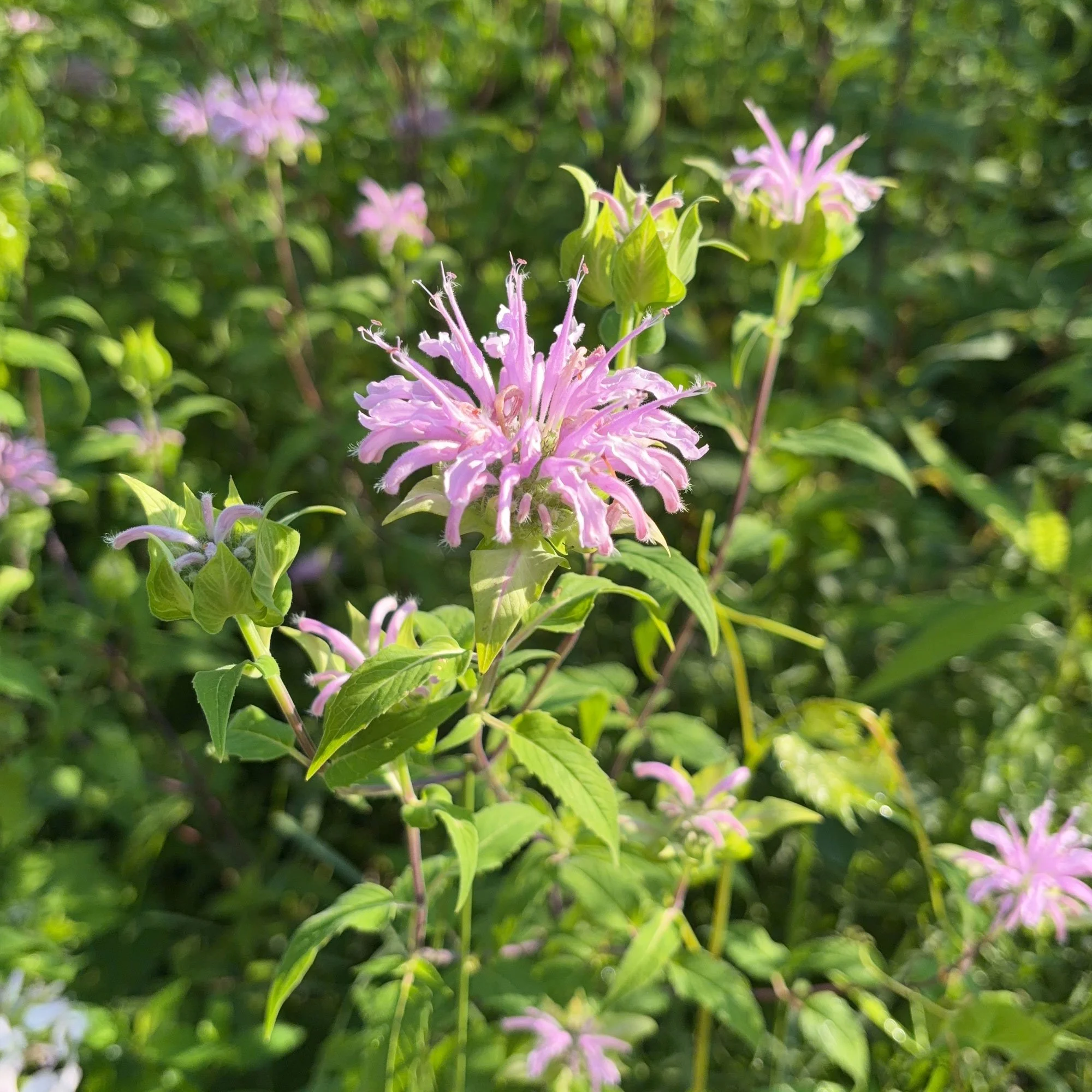
Wild Bergamot
Wild Bergamot
Scientific Name: Monarda fistulosa
Native to Michigan prairies and savannas. A key native bee and hummingbird moth plant, historically used by Native American tribes as a medicinal tea — it's a natural source of thymol, also found in modern mouthwash. Michigan Flora Online (Observed July 8, 2026)
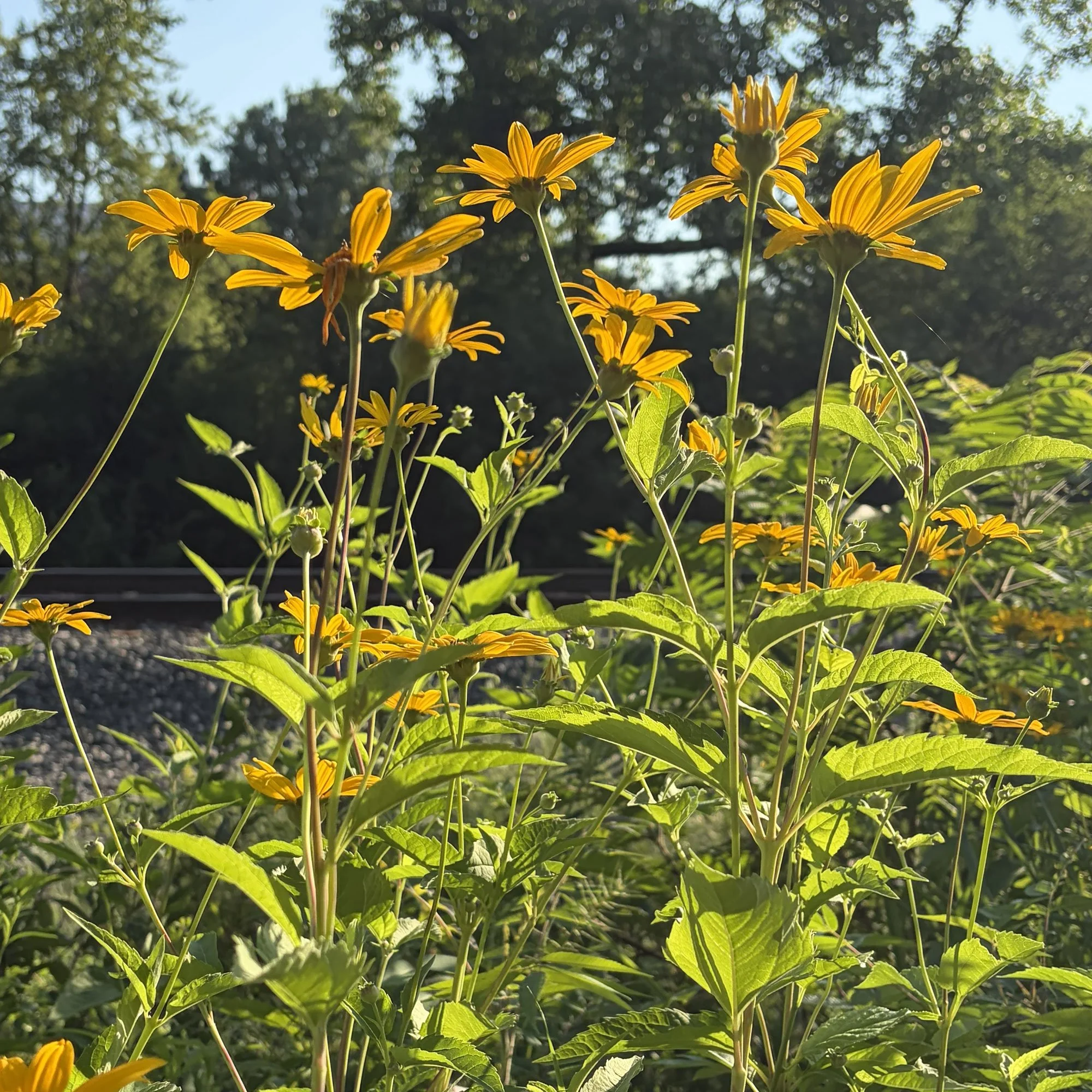
False Sunflower
False Sunflower
Scientific Name: Heliopsis helianthoides
Native to Michigan prairies and open woods. Unlike true sunflowers, its ray petals stay attached instead of dropping — a handy trailside ID trick. Michigan Flora Online (Observed July 8, 2026)
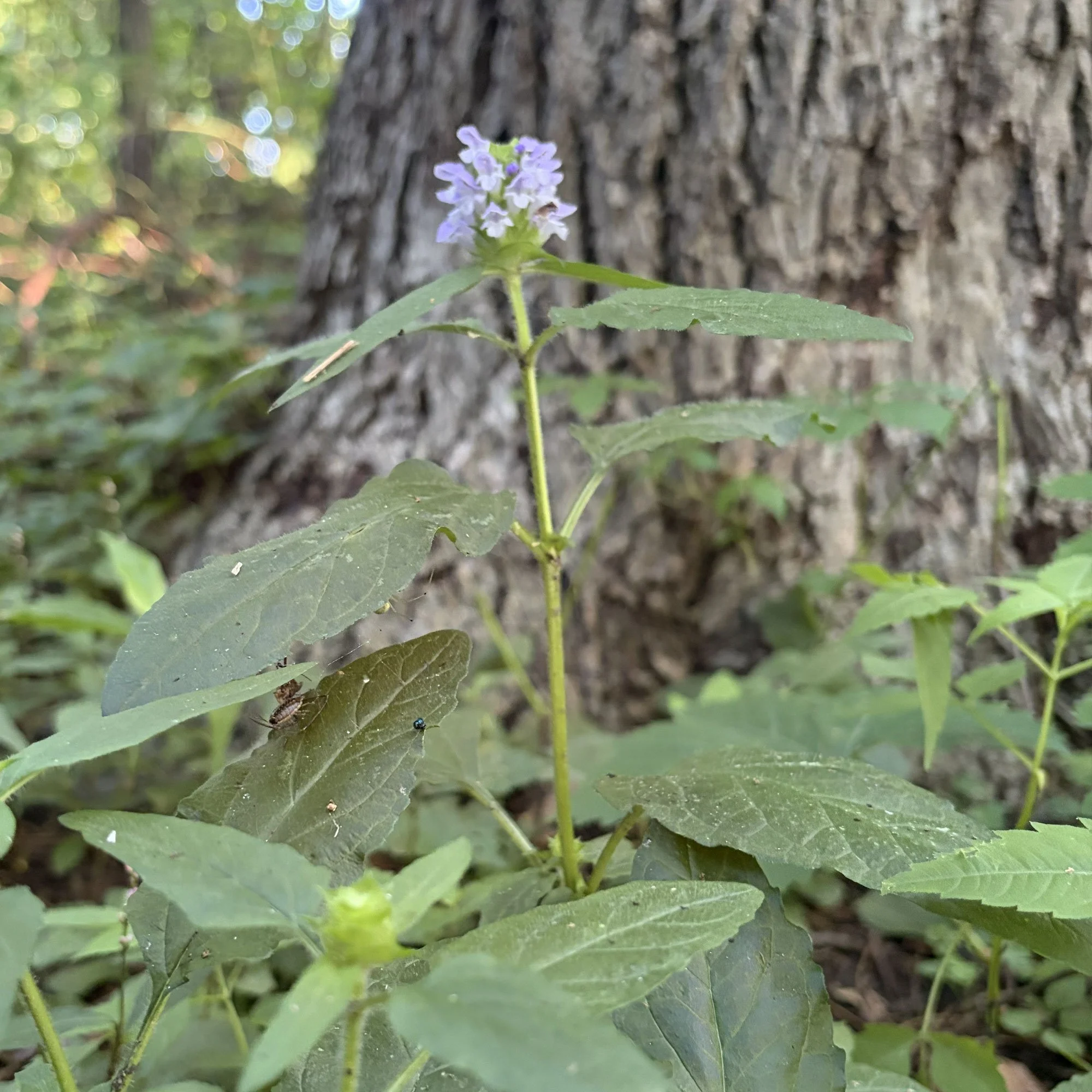
Common Self-heal
Common Self-heal
Scientific Name: Prunella vulgaris
Michigan Flora treats this one as native with a caveat — the native subspecies (lanceolata) grows throughout the state, though some naturalized European variants are also present. Long used in folk medicine as a wound-healing herb. Michigan Flora Online (Observed July 10, 2026)
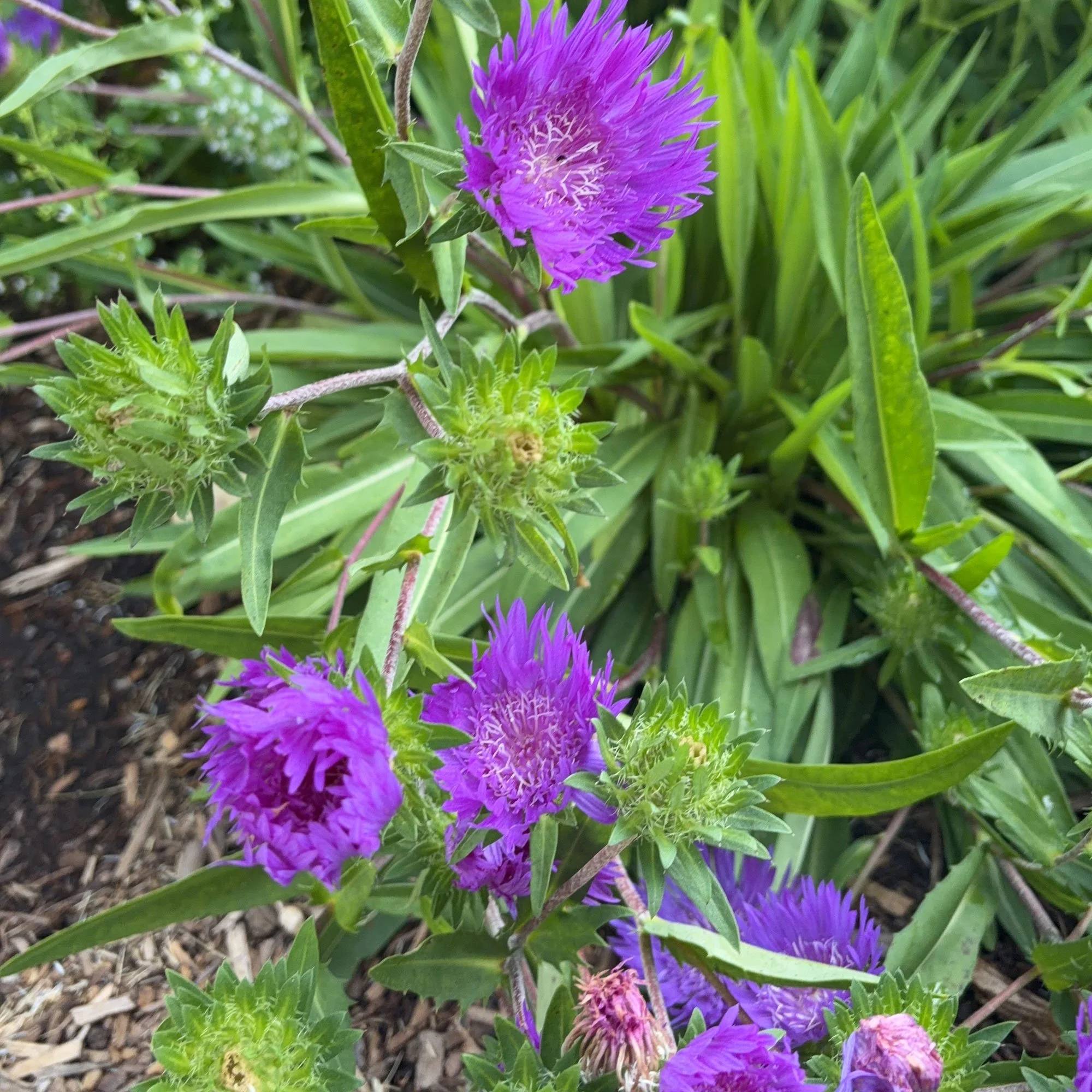
Stokes’ Aster
Stokes' Aster
Scientific Name: Stokesia laevis
Not native to Michigan — it's a southeastern U.S. species commonly grown as a garden perennial here. A cool take on an aster I wanted to share! Missouri Botanical Garden Plant Finder (Observed July 10, 2026)
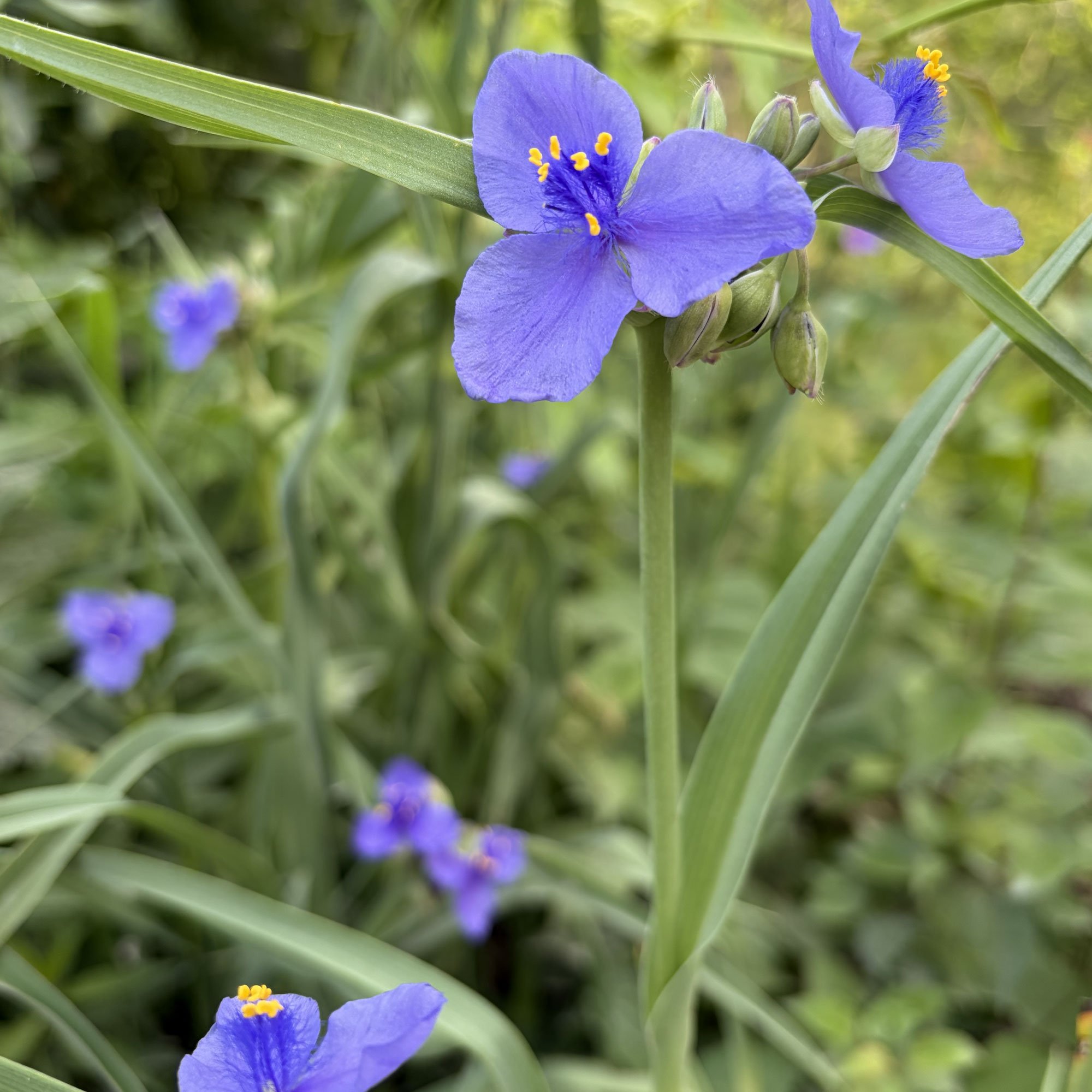
Spiderwort
Spiderwort
Scientific Name: Tradescantia ohiensis
Native to Michigan, found in open oak forests, roadsides, and sandy or wet meadows across the state. Each three-petaled blue flower opens for only a single day before fading, and the genus honors John Tradescant, a 17th-century botanist and royal gardener. Michigan Flora Online (Observed July 12, 2026)
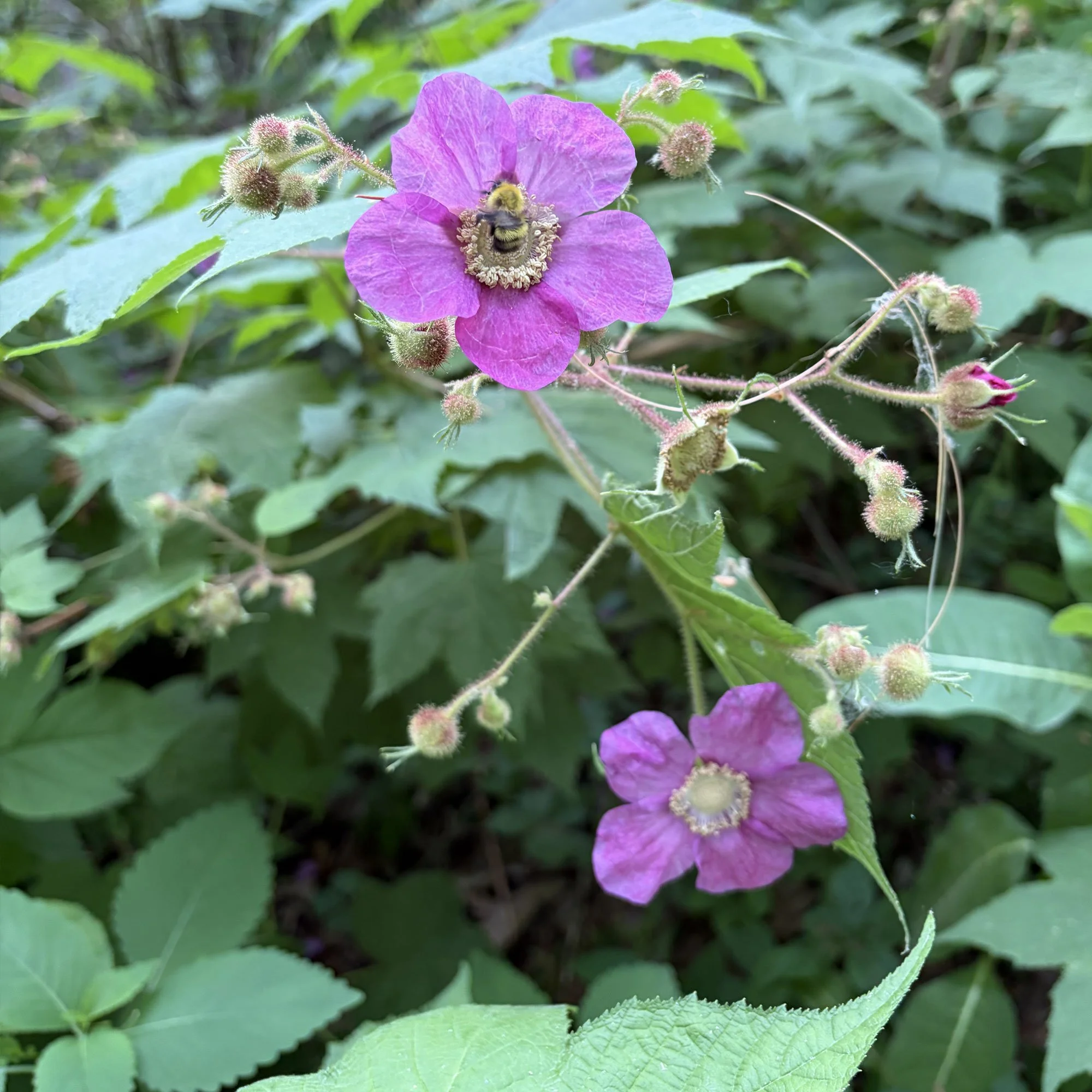
Purple-flowered Raspberry
Purple-flowered Raspberry
Scientific Name: Rubus odoratus
Native to Michigan, found in woodland edges and clearings especially in the northern Lower and Upper Peninsula. Unlike most raspberries it's thornless, with broad maple-like leaves, and its fruit is edible but bland. Michigan Flora Online (Observed July 13, 2026)
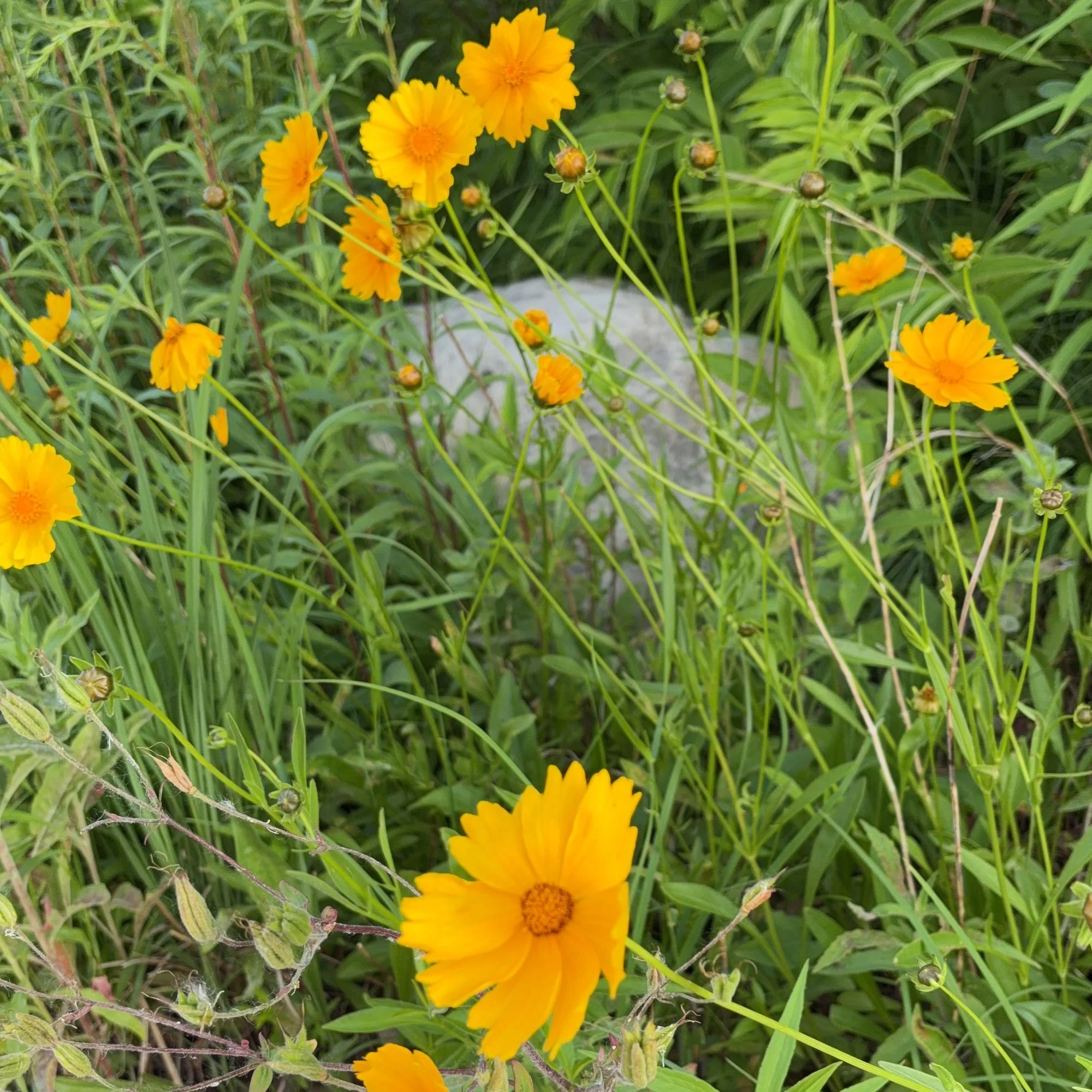
Lance-leaved Coreopsis
Lance-leaved Coreopsis
Scientific Name: Coreopsis lanceolata
Native to Michigan, notably common on the dunes along Lake Michigan's shoreline (including Sleeping Bear Dunes). Also called "sand tickseed" — the genus name comes from Greek for "bug-like," describing the seed's tick-shaped resemblance. Michigan Flora Online (Observed July 3, 2026)
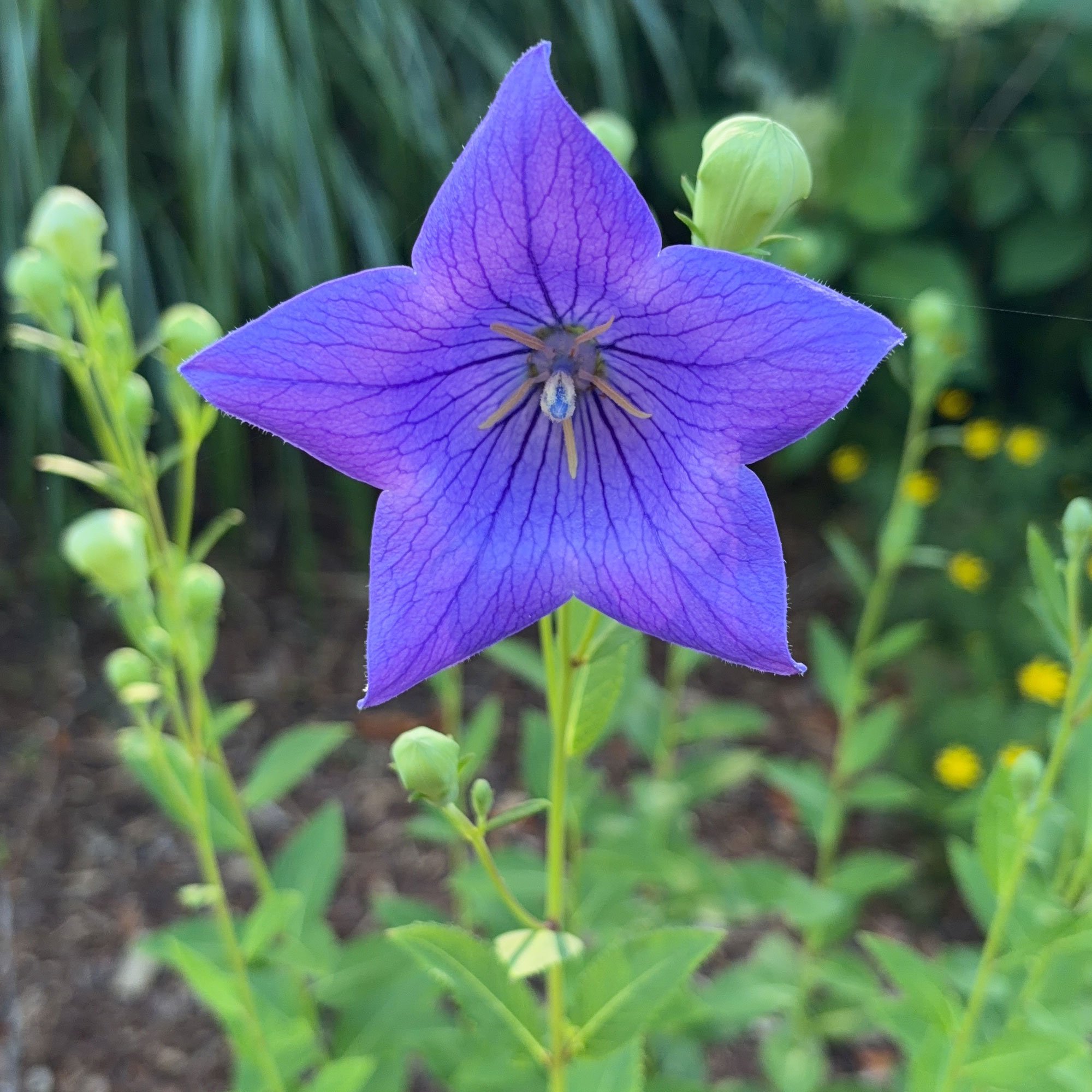
Balloon Flower
Balloon Flower
Scientific Name: Platycodon grandiflorus
Not native to Michigan — it's native to China, Japan, Korea, and eastern Siberia, and grown here as a garden ornamental. Named for its buds, which puff up like tiny balloons before bursting open. Such a cool flower! Missouri Botanical Garden (Observed July 13, 2026)